
Measuring Performance
In almost every job, there comes a moment when you stop and ask yourself: Am I doing well, or am I just staying busy? It's a fair question. Many people work hard every day, but hard work does not always make it easy to measure real progress. That is why it helps to focus on what truly matters.
What Really Counts Success at Work?
From an HR manager's point of view, good performance is not just about being busy or available. It is about results, consistency, growth, and the way a person contributes to the team. In simple terms, success at work can be seen in a few everyday signs: meeting goals, producing quality work, communicating clearly, solving problems, and showing a willingness to learn. These are the things that help both employees and employers see what is going well.
Success also looks different depending on the role. For a salesperson, it may be revenue or client retention. For a customer support officer, it may be response time and customer satisfaction. For an operations employee, it may be efficiency, accuracy, and follow-through. The key is to measure the right things for the right job. When expectations are clear, people feel more confident and less confused about how their work is being judged.
How to Spot Areas of Improvement Without Feeling Defeated
Improvement should not feel like punishment. It should feel like direction. Sometimes the signs are obvious, such as missed deadlines, repeated mistakes, low engagement, or difficulty working with others. Other times, the signs are subtle, like needing too much follow-up, struggling to prioritize, or losing momentum halfway through a task. These are not reasons to panic. They are simply signals that something needs support, structure, or a better approach.
A helpful way to think about performance improvement is to ask three simple questions: What am I doing well? What is slowing me down? What one thing can I do better this week? That small shift makes performance feel more manageable. People do better when feedback is specific, fair, and focused on progress rather than pressure.
READ: How to create a workplace where every mind matters
How To Measure Work and Stay Focused
One reason performance tracking feels stressful is because people often try to measure too much at once. A better method is to keep it simple. Choose a few meaningful performance metrics that match your role. This could be tasks completed, quality of output, turnaround time, customer feedback, teamwork, or progress on goals. The aim is not to count everything. It is to track the things that actually show value.
It also helps to make the process more interesting. Break big goals into smaller milestones. Review progress weekly instead of waiting for a formal appraisal. Celebrate small wins. Use a simple checklist, notes app, or dashboard to track patterns over time. When people can see progress in a clear and calm way, they are more likely to stay motivated and less likely to lose focus.
For managers, the goal is not to micromanage. It is to create clarity. Employees perform better when they know what matters most, what success looks like, and how their work connects to the bigger picture. A simple performance conversation can often do more than a complicated report.
The Role of HR in Making Performance Meaningful
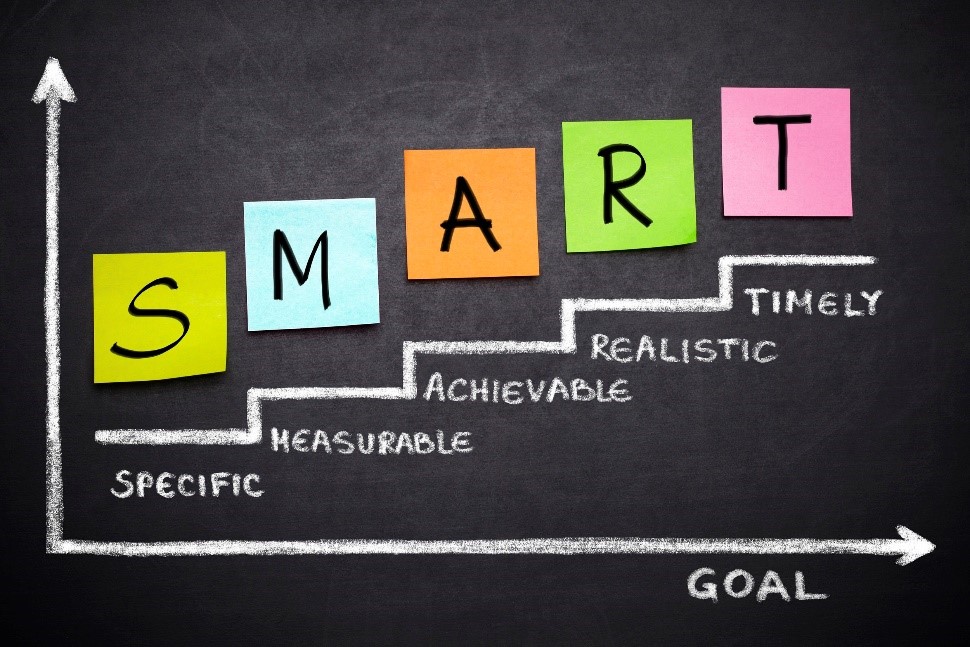
HR managers play an important role in making performance measurement fair, useful, and encouraging. They help teams define realistic goals, set measurable standards, and create room for regular feedback. More importantly, they help turn performance data into decisions that support growth, learning, and better outcomes across the business.
With the right tools, this becomes even easier. Platforms like HumanManager support performance management with goal tracking, review workflows, self-appraisals, feedback tools, and reporting that helps HR teams make data-driven decisions with more confidence. Used well, that kind of insight can help organisations improve performance without making the process feel cold or overly complicated.
Many organisations don't have a performance problem. They have a clarity problem.
When expectations, goals, and performance indicators are unclear, even capable employees can struggle to stay aligned and productive. Measuring what matters helps remove that uncertainty and gives both employees and managers a clearer path to success.
At the end of the day, measuring what matters is really about creating clarity. When people understand what success looks like, where they can improve, and how to track progress in a simple way, work becomes less confusing, decisions become more confident, and performance becomes more intentional. And that is where better performance begins.
Learn more about our services at www.humanmanager.net, part of SystemSpecs Holdings Limited.