By Deborah Eke
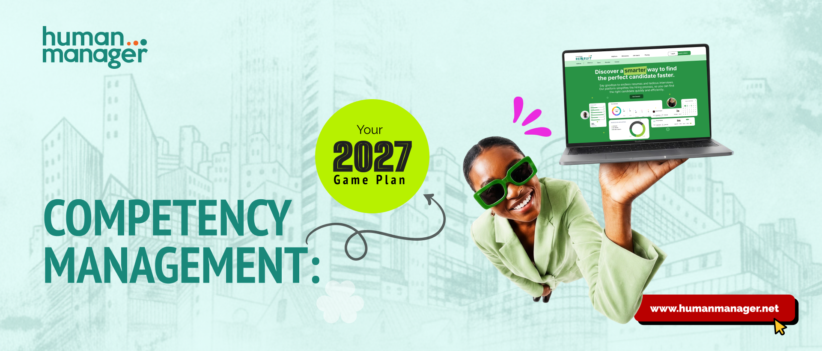
Competency Management: 2027 Game Plan
Think back to the last time you handed someone a task and quietly wondered, "Are they really the right person for this?" Most leaders have had that moment. The answer is rarely about talent. It's usually that nobody has a clear picture of what each person can do, what they're still learning, and what the team will need next year.
That's what competency management fixes. Competency is simply a skill or behaviour that helps someone do their job well, like calming down an angry customer, reading a monthly budget, or training a new colleague. Competency management means listing those skills, checking where people stand, and deciding how to close the gaps.
As 2026 wraps up, now is the right time to start. Year-end reviews already put performance on the table. Use that moment to ask a bigger question: what will we need to be good at in 2027?
Step one: Define what good looks like for each role
Before you assess anyone, write down the skills each role needs. Be specific. "Good communication" is too vague to check. "Sends a clear weekly update the team can act on" is something you can actually see. Involve the people doing the work. They know what matters day to day, and they'll care more about the outcome.
Step two: Take an honest snapshot of where people are
Compare each team member against those expectations. A simple scale works well, such as "still learning, developing, confident, and expert." Back every rating with evidence like project results, peer feedback, or sample work. Keep the conversation two-way. The goal is to understand people, not to label them.
Step three: Find the gaps that matter most
You won't close every gap in a year, and you shouldn't try. Look for patterns. If three people in sales struggle with the same product knowledge, that's a team-wide gap and a training opportunity. If only one person is missing a skill, it's a personal development plan. Focus on the gaps that stand in the way of your 2027 goals.
Step four: Build a development plan people can see
A gap with no plan is just a worry. For each priority skill, pick one or two actions: a course, a mentor, a stretch project, or shadowing someone strong in that area. Add a timeline with checkpoints every quarter. People stay motivated when they can see progress, and they stay longer when they can see a future.
Step five: Keep your records in one place
This is where many organisations get stuck. Skills sit in one spreadsheet, training certificates live in someone's inbox, and appraisal notes are scribbled in a notebook. When a manager leaves or a promotion comes up, nobody has the full picture. Keeping skills and development records alongside basic staff information saves hours and prevents mistakes.
Platforms built for African workplaces, like HumanManager, hold this kind of information in one organised place, so HR and managers can see skills, gaps and development plans without chasing files. Still, a tool only works if the thinking behind it is sound. Get the framework right first, then choose the system that fits it.
What your 2027 framework should include
By January, you should have a list of competencies for each role, a snapshot of your team, a short list of priority gaps, a development plan for each one, and a simple way to review progress. That's the whole framework. It doesn't need to be perfect. It needs to be used.
Make it a habit, not a once-a-year event
Schedule a short check-in every quarter. Ask what changed, which skills are growing, and what the business now needs that it didn't need six months ago. Teams that do this well stop being surprised by their own people.
Start small. Pick one department this month, map its skills, and see how much clearer your hiring and training decisions become.
Want your records and development plans in one place?
Explore how HumanManager can support your competency framework by requesting a demo or call 09169977047 / 07031731454
HumanManager is a member of SystemSpecs Group